 Most people think of Botox as a magic eraser for forehead lines or crow’s feet. While it certainly excels at smoothing skin, its benefits go far beyond aesthetics. In the dental world, Botox has become a powerful tool for relieving pain and improving function. At Create a Smile, PC in Bloomington, IN, we are changing how patients view this treatment.
Led by the talented team of Dr. Ken Moore and Dr. Elena Wiser, our practice uses Botox therapeutically to address complex oral health issues. If you struggle with jaw pain or tension, this treatment might be the solution you’ve been waiting for.
The Connection Between Botox and Dental Health
Botox works by temporarily blocking nerve signals to specific muscles, causing them to relax. In cosmetic applications, this smooths out wrinkles. In dentistry, this same mechanism helps calm overactive muscles in the jaw and face. When these muscles relax, they stop exerting excessive force on your teeth and joints.
Dr. Moore and Dr. Wiser use precise applications of Botox to target the source of your discomfort. This isn’t about freezing your face; it’s about restoring balance to your oral health.
Finding Relief for TMJ Disorders
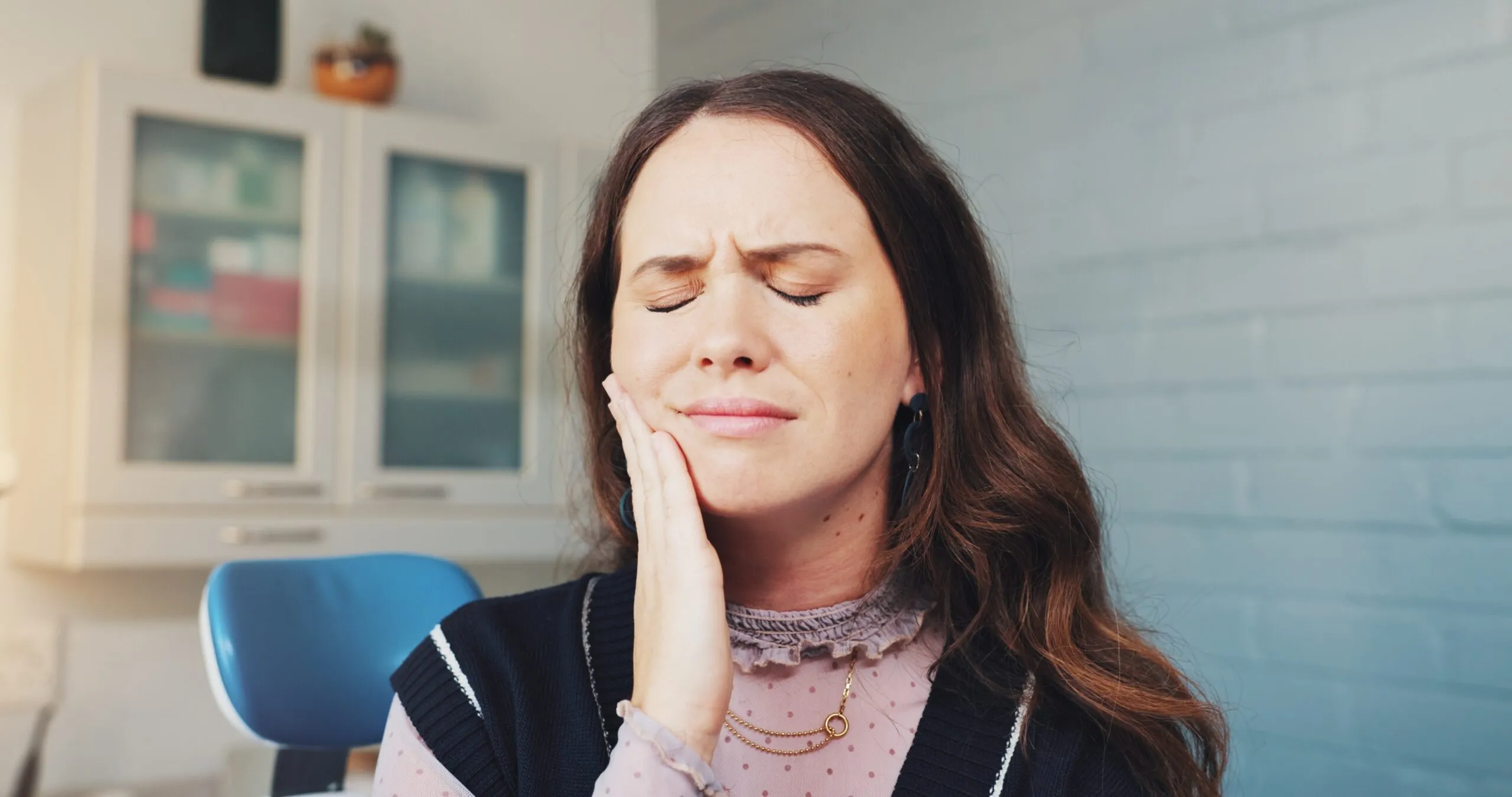
Treating the Temporomandibular Joint (TMJ) is actually one of the most popular dental uses for Botox. Your TMJ acts like a sliding hinge connecting your jawbone to your skull. When this joint malfunctions, it leads to a disorder known as TMD (Temporomandibular Disorder).
Symptoms often include:
- Chronic jaw pain or stiffness
- Clicking or popping sounds when opening your mouth
- Frequent headaches or migraines
- Difficulty chewing
TMJ disorders are largely healed through easing stress on the joint, thus allowing it to relax. Traditional treatments often involve night guards or medication, which can take time to work. Botox offers a faster path to relief.
By injecting Botox directly into the jaw muscles (the masseter and temporalis muscles), Dr. Moore and Dr. Wiser can significantly reduce the tension responsible for your pain. The muscles responsible for clenching and grinding are weakened just enough to stop the destructive behavior, while still allowing you to chew and speak normally. This gives the inflamed joint a chance to rest and heal properly.
Benefits Beyond Pain Relief
The positive impact of therapeutic Botox extends to other areas of your oral health as well.
Protecting Your Teeth
Many patients with TMJ issues also suffer from bruxism (teeth grinding). Over time, this wears down enamel, cracks teeth, and damages expensive dental work. By relaxing the jaw muscles, Botox reduces the force of grinding, preserving your natural smile and your dental investments.
Reducing Migraines
Tension headaches and migraines often originate from the same muscle tension that causes jaw pain. By treating the source of the tension in the face and neck, many patients experience a significant reduction in the frequency and intensity of their headaches.
Adjusting High Lip Lines
For some patients, a “gummy smile” (where too much gum tissue shows above the top teeth) is caused by a hyperactive upper lip muscle. Botox can relax this muscle, allowing the lip to rest lower and creating a more balanced, aesthetically pleasing smile without surgery.
Experience Expert Care in Bloomington
You don’t have to live with chronic jaw pain or tension. At Create a Smile, PC, Dr. Ken Moore and Dr. Elena Wiser combine their deep knowledge of facial anatomy with advanced training in therapeutic Botox. We focus on providing relief that improves your daily life.
If you are ready to explore how Botox can enhance your dental health, schedule a consultation with us today. Let’s help you smile comfortably again.
CONTACT CREATE A SMILE, PC – DR. KEN MOORE:
(812) 332-1405
LOCATION (TAP TO OPEN IN GOOGLE MAPS):
2815 NORTH WALNUT
BLOOMINGTON, INDIANA
47404